Easy Coloring Pages for Beginners: What to Print and How to Start
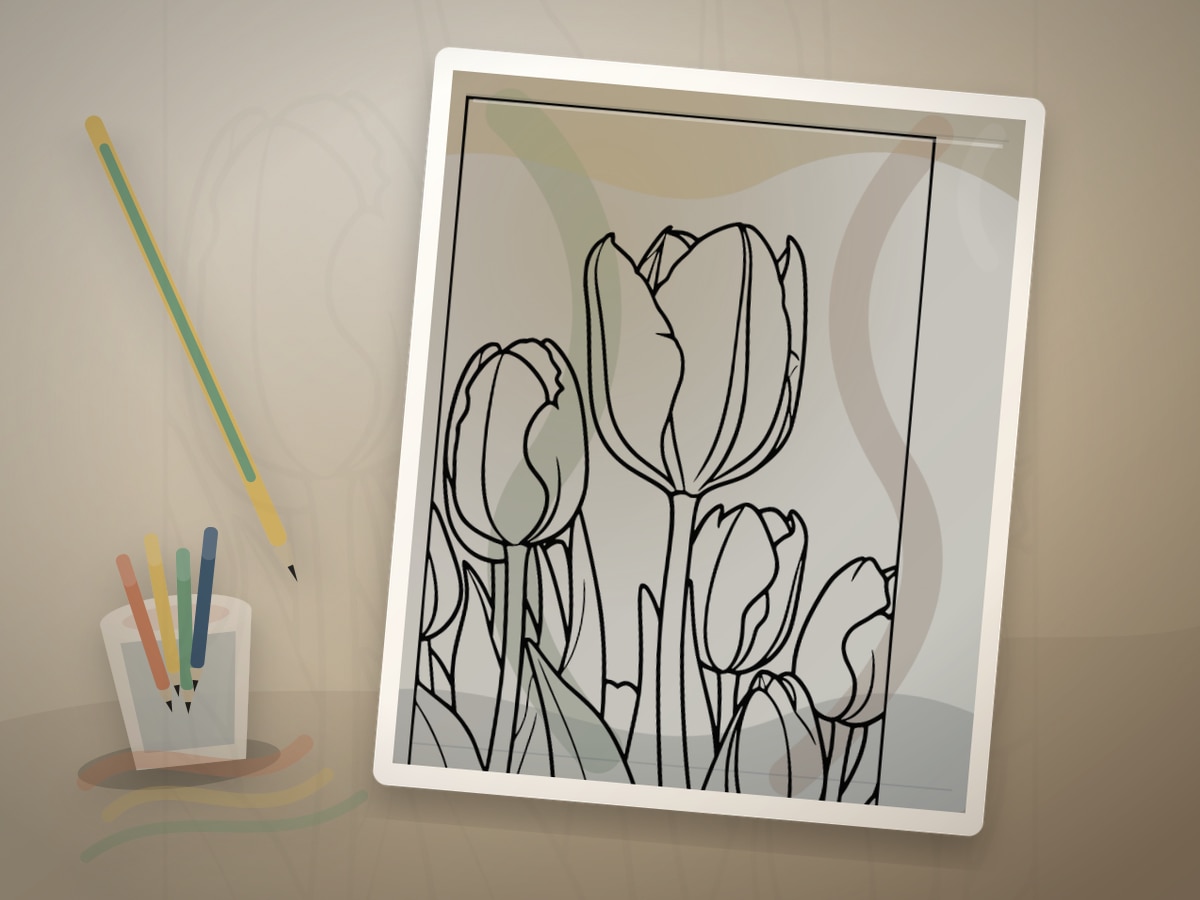
Beginner coloring works best when the page feels inviting rather than demanding. Look for clear shapes, medium-sized spaces, and subjects that do not require tiny details on the first try.
The aim is confidence. A beginner page should teach pressure control, simple palettes, and basic shading without turning the session into a test.
What This Technique Builds
The practical skills to focus on are:
- open shapes
- clear outlines
- medium detail
- forgiving backgrounds
- simple repeat patterns
Easy Coloring Pages for Beginners becomes easier when the page has one clear purpose. Use early wins without a page full of tiny decisions as the starting point, then choose large flowers, simple animals, fruit, cozy objects, and open patterns so the subject and the technique help each other. That choice saves more time than any complicated palette.
Best Pages to Try
This approach works especially well with doodle coloring pages, animal coloring pages, flower coloring pages, food coloring pages. The page should make early wins without a page full of tiny decisions visible without asking you to solve every coloring problem at once.
For a first attempt, choose medium detail with one clear focal area. That balance leaves room for early wins without a page full of tiny decisions without burying the main idea in tiny spaces.
Page choice is part of the technique. Look for large flowers, simple animals, fruit, cozy objects, and open patterns, then decide whether the main subject, border, or background deserves the first color decision.
A spare print is useful, but use it with a specific question about early wins without a page full of tiny decisions. Testing one decision keeps the finished page from becoming overworked.
Palette and Materials
Suggested palette: #6aa6a2, #e8c46c, #d98a76, #f3eadb, #415a67.
Colored pencils and crayons are forgiving because they allow light layers. Washable markers are good for bold simple pages, but they can streak on large areas.
Think of the palette as a set of roles for early wins without a page full of tiny decisions: main color, support color, shadow color, rest color, and accent. If a color does not have a role, leave it out for this page.
Six to eight pencils, one marker, and smooth cardstock are enough for a focused first version. Add specialty pens, pastels, or paint only after the main color structure is already working.
Step-by-Step Method
- Print two or three easy pages rather than searching endlessly for the perfect one.
- Choose three colors plus one neutral.
- Color the largest shapes first to establish the mood.
- Add one small shadow color only where shapes overlap.
- Stop after a defined section if finishing the whole page feels too much.
Once the first choices are in place, keep repeating the logic around early wins without a page full of tiny decisions. The page looks stronger when later areas echo the first decisions instead of starting a new plan in every corner.
How to Make Easy Coloring Pages for Beginners Look Finished
The clearest sign of a finished page is hierarchy. Decide what should be seen first, what should support it, and what can stay quiet. The page looks finished because the main shapes have clean, confident color.
Edges and transitions should support early wins without a page full of tiny decisions. Crisp edges help small details and focal shapes, while softer transitions help backgrounds, shadows, petals, fur, water, and glow effects.
Before adding final accents, view the page from across the room or at thumbnail size. If the main idea still reads as early wins without a page full of tiny decisions, the page needs fewer additions than you think.
Where Easy Coloring Pages for Beginners Works Best
On subject pages, begin with the feature that gives large flowers and simple animals its personality: the main bloom, face, animal eye, central motif, or largest shape.
On patterns and mandalas, repeat decisions by shape family so early wins without a page full of tiny decisions stays deliberate. Matching forms should relate to each other, even when the value shifts from ring to ring or corner to corner.
Keep the supporting background quieter than large flowers and simple animals unless the background is the reason you printed the page.
Common Mistakes to Avoid
- Do not begin with a page full of tiny lace-like details.
- Do not use every color in the box.
- Do not judge the first page as proof of skill.
The main risk is treating every area as equally important. A strong page gives early wins without a page full of tiny decisions a lead subject, supporting details, and quiet spaces that let the eye rest.
If the page changes direction halfway through, connect the new choice to early wins without a page full of tiny decisions. Repetition makes the change look intentional.
Example Practice
Print a simple flower or animal. Use one light color, one medium color, one dark color, and one neutral. Finish one section cleanly before expanding.
After the exercise, look for the one decision that made early wins without a page full of tiny decisions clearer. Repeat that decision on the next page before adding a second new skill.
Troubleshooting Easy Coloring Pages for Beginners
If the page looks flat, check whether early wins without a page full of tiny decisions is actually visible. Add contrast near the focal point, repeat the key color, or reduce a background that is pulling too much attention.
If early wins without a page full of tiny decisions feels weak, make one decision stronger instead of adding five new ones. Deepen the focal contrast, repeat the accent, or simplify the background.
Choose fewer colors if every shape feels like a new decision. That single correction usually does more than adding another layer everywhere.
Related Coloring Guides
Continue with how to choose colors, colored pencil layering, mindful coloring routine.
Together, those guides help turn early wins without a page full of tiny decisions from a single idea into a repeatable coloring habit.
Next Page to Print
Choose doodle coloring pages and decide the main color role before you start. A simple plan usually beats a large pile of tools when early wins without a page full of tiny decisions is the goal.
Print a second copy only if you want to test a different palette or tool around large flowers and simple animals. Comparing two versions of the same design is one of the fastest ways to improve.
Quick FAQ
Can a beginner start with this approach?
Yes, if you start with simple pages with large spaces. Keep the first version small, test the tool or palette, and let the page teach one skill at a time.
What should I print first?
Start with simple pages with large spaces. It should have enough detail to show the technique, but not so much detail that every mark becomes a decision.
How do I know when to stop?
Stop when the page looks finished because the main shapes have clean, confident color. If another layer would make the focal point less clear, the page is already finished enough.
Final Thought
Easy Coloring Pages for Beginners becomes more satisfying when the page has a clear visual promise. Choose the right printable, repeat the strongest decisions, and let the subject tell you where the detail belongs.