Watercolor Washes for Coloring Pages: Soft Layers Without Buckled Paper
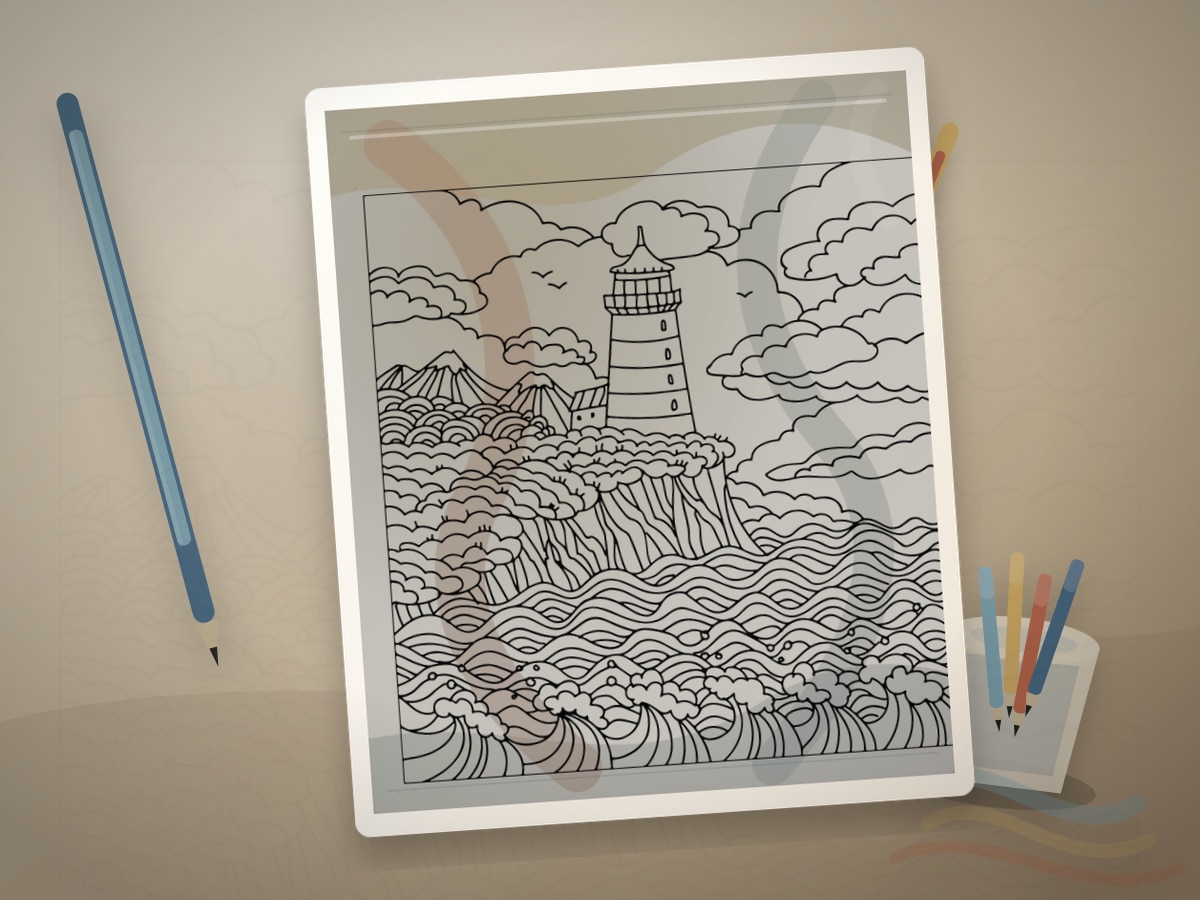
Watercolor can make a coloring page feel airy, luminous, and handmade. It can also buckle paper or blur line art if you use too much water.
The safest watercolor approach is pale layers, controlled moisture, and dry tools for final detail.
What This Technique Builds
The practical skills to focus on are:
- light wash
- paper testing
- drying time
- lifted highlights
- pencil detail on top
Watercolor Washes is mainly about control before color. Start with skies, water, flowers, loose backgrounds, halos, and atmospheric landscapes, then keep heavy paper, clean water, a large soft brush, tissue, and light pigment available so the tool can do its best work. A polished page often comes from stopping a medium at the right moment rather than pushing it into every space.
Best Pages to Try
This approach works especially well with flower coloring pages, landscape coloring pages, sea life coloring pages, faerie coloring pages. The page should have skies and water where transparent color that supports line art without flooding it can be tested without fighting the paper from the first mark.
For a first attempt, choose medium-sized shapes and print one spare copy. That gives you room to test coverage, pressure, bleed, or layering on skies and water.
Match the printable page to the material before you print. The technique is easier on line art with skies, water, flowers, loose backgrounds, halos, and atmospheric landscapes, because the paper, spacing, and detail size decide how cleanly the tool will behave.
If you are testing this technique, print one spare copy and write the paper or tool name on the margin. Note what changed the result on skies and water so the page becomes a future reference instead of a one-off experiment.
Palette and Materials
Suggested palette: #bae6fd, #99f6e4, #fecdd3, #fde68a, #c4b5fd.
Use a damp brush, not a dripping one. Mixed media paper or light watercolor paper behaves better than thin copy paper.
The material plan matters as much as the colors. Test pressure, drying time, bleed, and layering order for skies and water so the finished page does not surprise you halfway through.
Keep heavy paper, clean water, a large soft brush, tissue, and light pigment nearby and remove tools that solve a different problem. Fewer tools make it easier to see whether the technique itself is working.
Step-by-Step Method
- Choose sturdy paper and test printer ink before painting.
- Begin with tinted water rather than strong paint.
- Work from background atmosphere to smaller shapes.
- Let each layer dry before adding the next.
- Finish with colored pencils, gel pens, or fineliners for crisp details.
After the first layer, check the paper surface. With heavy paper, clean water, a large soft brush, tissue, and light pigment, it is better to correct pressure, timing, or moisture early than to repair a damaged area after the surface has failed.
How to Make Watercolor Washes Look Finished
The clearest sign of a finished page is hierarchy. Decide what should be seen first, what should support it, and what can stay quiet. The wash dries even and leaves room for pencil or pen details.
Edges and transitions should support transparent color that supports line art without flooding it. Crisp edges help small details and focal shapes, while softer transitions help backgrounds, shadows, petals, fur, water, and glow effects.
Before adding final accents, view the page from across the room or at thumbnail size. If the main idea still reads as transparent color that supports line art without flooding it, the page needs fewer additions than you think.
Where Watercolor Washes Works Best
On skies and water, test even coverage, pressure, moisture, or stroke direction before moving into small details.
On intricate pages, let the safest layer go first and the most permanent layer go last. That matters when transparent color that supports line art without flooding it depends on clean timing and controlled pressure.
On mixed-detail pages, separate the jobs around transparent color that supports line art without flooding it: broad color first, structure second, accents last. That order keeps the page clean.
Common Mistakes to Avoid
- Do not begin with dark paint.
- Do not scrub wet printer ink.
- Do not color tiny details with a loaded brush.
The most common mistake is ignoring the paper until it fails. If the surface starts to pill, bleed, shine, or buckle while using heavy paper, clean water, a large soft brush, tissue, and light pigment, stop and change strategy rather than adding more media.
When switching tools, test the overlap on the same printed paper. Pencil, marker, gel pen, watercolor, and pastel each behave differently when transparent color that supports line art without flooding it is the target.
Example Practice
Print a flower or landscape page on sturdy paper. Add a pale background wash, let it dry, then finish the subject with colored pencils.
After the practice, write down the paper, tool, and pressure that worked. The technique improves quickly when each test records what made skies and water cleaner.
Troubleshooting Watercolor Washes
If the page looks flat, check whether transparent color that supports line art without flooding it is actually visible. Add contrast near the focal point, repeat the key color, or reduce a background that is pulling too much attention.
If the tool misbehaves on skies and water, do not immediately add a different medium. Blot, dry, sharpen, lighten pressure, or move to a less visible area while the paper recovers.
Use less water before using stronger pigment. That single correction usually does more than adding another layer everywhere.
Related Coloring Guides
Continue with paper for printables, Turner skies, mixed media plan.
Those guides are useful companions because the result on skies and water often depends on paper choice, layering order, and knowing when a final accent is enough.
Next Page to Print
Choose flower coloring pages and print a spare copy for testing. Use the margin to note paper type, tool, and any setting that affected skies and water.
Once the test behaves well, move to the clean print and keep the same order of operations that worked for transparent color that supports line art without flooding it. Consistency matters more than improvisation here.
Quick FAQ
Can a beginner start with this approach?
Yes, if you start with pages printed on heavier paper. Keep the first version small, test the tool or palette, and let the page teach one skill at a time.
What should I test before coloring the full page?
Test bleed, drying time, pressure, and whether the printed line stays clean on skies and water. The same tool can behave very differently on copy paper, cardstock, and mixed media paper.
How do I know when to stop?
Stop when the wash dries even and leaves room for pencil or pen details. If another layer would make the focal point less clear, the page is already finished enough.
Final Thought
Watercolor Washes improves when paper, tool, and timing are planned together. Start with a test, keep the order simple, and let each medium do the job it handles best.