Coloring for Focus on Busy Days: Five-Minute Resets and Simple Pages
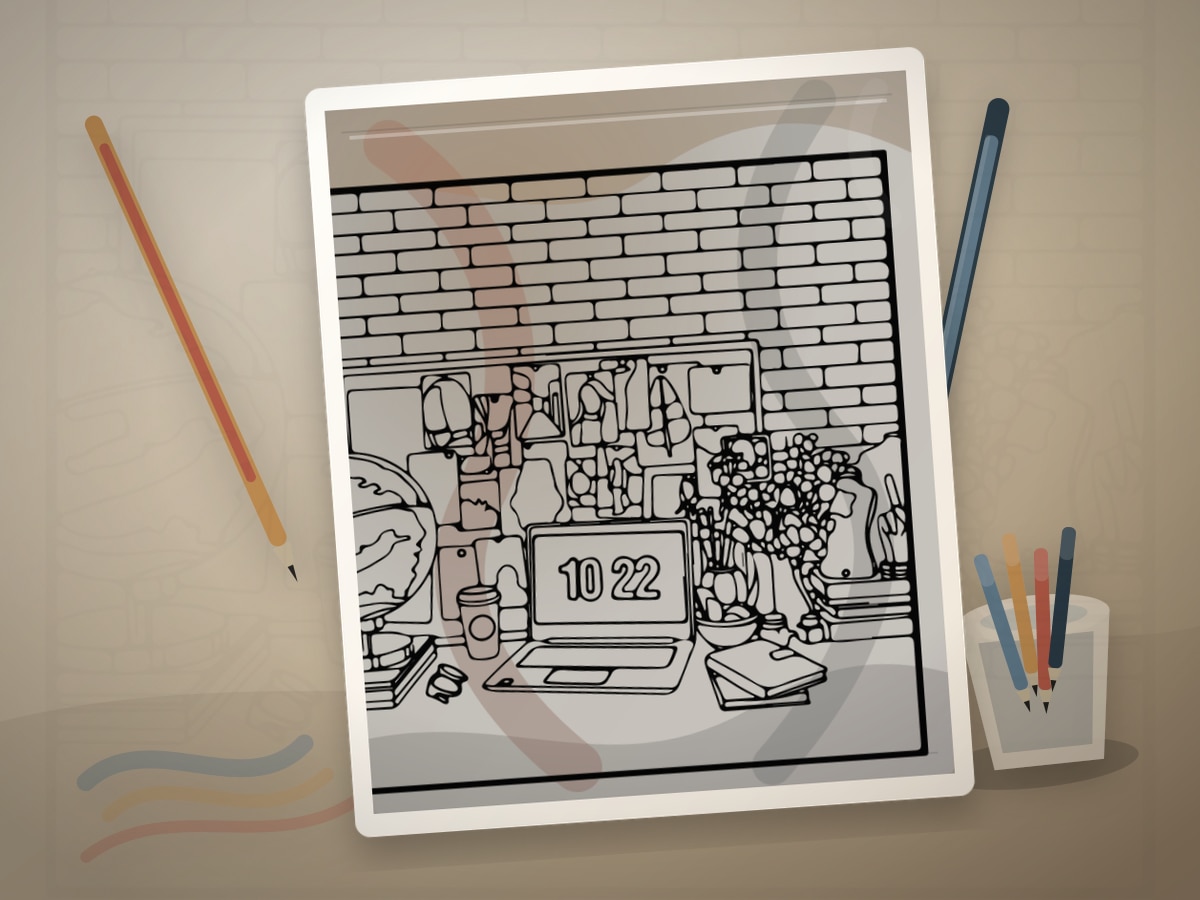
A short coloring session can help create a clean transition between tasks. The key is keeping the session bounded: one page, a few colors, and a small section.
This is not about finishing a full design. It is about giving your attention one clear creative task for a few minutes.
What Makes the Routine Work
The routine works best when it includes:
- short session
- limited choices
- repeatable page
- defined section
- transition pause
Coloring for Focus on Busy Days works best when the page supports the pace you want. Choose small page sections, repeated shapes, borders, simple objects, and pattern corners, keep the setup simple, and treat a clean stopping point as the measure of success. This is a creative routine, not a test of endurance.
Best Pages to Try
This approach works especially well with pattern coloring pages, doodle coloring pages, flower coloring pages, animal zentangle coloring pages. The page should feel easy to begin, with an obvious place to pause.
For a first attempt, pick one section of small page sections and repeated shapes that can be finished in a short sitting. A border, ring, flower cluster, or single object is enough for a calm first pass.
A relaxing page is not always the simplest page. Look for small page sections, repeated shapes, borders, simple objects, and pattern corners and choose a section you can finish without rushing. The right page should make the next decision obvious.
Before starting, mark a natural stopping place in small page sections and repeated shapes: one ring, one corner, one flower, one sky band, or one object. Ending cleanly keeps the session calm even when the full page remains unfinished.
Palette and Materials
Suggested palette: #0f766e, #14b8a6, #facc15, #f8fafc, #334155.
Use pencils, crayons, or fineliners. Avoid wet media or supplies that need setup when the break is short.
Keep the palette physically small for small page sections and repeated shapes. Three to five colors are enough, especially if one is a soft neutral and one is a darker anchor that can repeat quietly across the page.
One page, two or three colors, and a visible time boundary should make the session easy to begin and easy to stop. Avoid tools that need a long cleanup unless that cleanup is part of the ritual you want.
Step-by-Step Method
- Keep one focus page on a clipboard or in a folder.
- Use three colors so you do not spend the break choosing.
- Pick repetitive areas such as leaves, scales, dots, or borders.
- Stop at the boundary you chose before starting.
- Take a short pause before returning to the next task.
Keep the middle of the session deliberately quiet. Repeating one decision across small page sections and repeated shapes for several minutes is often more useful than chasing a dramatic finish.
How to Make Coloring for Focus on Busy Days Look Finished
The clearest sign of a finished page is hierarchy. Decide what should be seen first, what should support it, and what can stay quiet. The selected section is complete even if the full page is not.
Edges and transitions should support a short reset that gives attention one manageable target. Crisp edges help small details and focal shapes, while softer transitions help backgrounds, shadows, petals, fur, water, and glow effects.
Before adding final accents, view the page from across the room or at thumbnail size. If the main idea still reads as a short reset that gives attention one manageable target, the page needs fewer additions than you think.
Session Ideas for Coloring for Focus on Busy Days
For a short session, choose one repeated part of small page sections and repeated shapes. The goal is a completed section, not a completed page.
For a longer session, begin with the calmest area and save high-contrast details for the end. That pacing keeps small page sections and repeated shapes from feeling demanding too early.
If the session is meant to be quiet, avoid comparing it with a finished example. Let the finished section become a record of a short reset that gives attention one manageable target rather than a performance.
Common Mistakes to Avoid
- Do not browse for a new page every time.
- Do not start a complex blend in a five-minute window.
- Do not let the page become another unfinished obligation.
The easiest way to lose the benefit is to turn the session into a productivity target. If a short reset that gives attention one manageable target starts feeling like pressure, reduce the area, soften the palette, or stop at the next natural boundary.
Avoid beginning with the hardest section when you are tired. Start with small page sections and repeated shapes so the page earns momentum before it asks for concentration.
Example Practice
Choose one border or row of repeated shapes. Color it with three colors, stop, and leave the page ready for the next break.
After the practice, note which part felt easiest to repeat. That is the kind of page or section to print next time you want coloring for focus on busy days without extra setup.
Troubleshooting Coloring for Focus on Busy Days
If the page looks flat, check whether a short reset that gives attention one manageable target is actually visible. Add contrast near the focal point, repeat the key color, or reduce a background that is pulling too much attention.
If the session stops feeling calm, shrink the task around small page sections and repeated shapes. Finish one shape, one row, one petal, or one corner, then leave the rest for another day.
Reduce the area before adding more time. That single correction usually does more than adding another layer everywhere.
Related Coloring Guides
Continue with evening coloring ritual, mindful coloring, easy coloring pages.
They are good next steps if you want a short reset that gives attention one manageable target to carry into a different page type, palette, or session length.
Next Page to Print
Choose pattern coloring pages with a natural stopping point. A ring, border, flower cluster, sky band, or single object is enough for a short reset that gives attention one manageable target.
Print the page before you need it if possible. Having small page sections and repeated shapes ready removes one decision and makes the routine easier to begin.
Quick FAQ
Can a beginner start with this approach?
Yes, if you start with small sections of larger pages. Keep the first version small, test the tool or palette, and let the page teach one skill at a time.
How long should the first session be?
Start with ten to twenty minutes or one visible section of small page sections and repeated shapes. The routine is easier to repeat when the first session ends cleanly.
What if I do not finish the page?
That is fine. A finished section can be the goal when a short reset that gives attention one manageable target is the aim. Stop at a clean boundary and leave the rest ready for another session.
Final Thought
Coloring for Focus on Busy Days is most useful when it stays manageable. Choose a page that suits your energy, use colors that feel easy to return to, and let a finished section count as real progress.